
SPOILER ALERT!
Common Blunders In Roof Setup And How To Avoid Them
Web Content Author-Skriver Chandler
When you're intending a roofing system setup, it's very easy to ignore essential information that can bring about significant issues down the line. You could be lured to reduce edges on product option or avoid appropriate blinking installment, yet these usual mistakes can cause costly repairs later. Recognizing the relevance of air flow and sticking to regional building regulations is vital for an effective task. So, what are the vital steps you should take to ensure your roof covering stands the test of time? Let's discover some efficient techniques to stay clear of these mistakes.
When it involves roof covering setup, picking the incorrect products can cause expensive problems down the line. You could believe that any kind of roof covering product will certainly do, but that's an usual misunderstanding. It's essential to select products that suit your local climate and the certain demands of your home.
For instance, if you reside in an area with hefty rainfall or snow, choosing asphalt tiles may not be the most effective choice. Rather, think about more long lasting choices like metal or slate.
Additionally, take notice of the quality of the materials you're thinking about. Economical products may save you money upfront, but they frequently lack long life and can cause regular repairs or substitutes.
You must also think about the style of your home and make sure the products you choose will certainly maintain its aesthetic appeal.
Finally, don't forget to seek advice from professionals. They can supply valuable understandings and recommend materials that comply with regional building codes.
Spending time in proper product option now can aid you prevent frustrations and expenses in the future, making your roof project a success.
Picking the best materials isn't the only factor that can bring about roof covering troubles; inadequate flashing installation can also produce significant concerns. Flashing is vital for directing water far from at risk locations, such as chimneys, skylights, and roof valleys. If it's not mounted effectively, you run the risk of water intrusion, which can result in mold and mildew development and structural damage.
When you install blinking, ensure it's the best kind for your roofing's style and the regional climate. As an example, steel flashing is often much more sturdy than plastic in areas with heavy rain or snow. Make sure the blinking overlaps suitably and is secured tightly to stop spaces where water can leak with.
You must also focus on the installation angle. Blinking must be placed to guide water far from your home, not toward it.
If you're unclear about the installment procedure or the products required, speak with a specialist. They can assist identify the very best flashing alternatives and make sure every little thing is installed appropriately, protecting your home from possible water damage.
Taking these steps can save you time, money, and migraines in the future.
While several property owners concentrate on the aesthetic and structural aspects of roof covering setup, disregarding ventilation needs can cause serious long-lasting repercussions. Appropriate ventilation is crucial for managing temperature and moisture levels in your attic room, stopping concerns like mold and mildew development, timber rot, and ice dams. If visit the up coming webpage don't mount sufficient air flow, you're establishing your roofing system up for failure.
To avoid this mistake, first, examine your home's certain ventilation demands. A well balanced system typically includes both intake and exhaust vents to advertise air flow. Ensure you have actually mounted soffit vents along the eaves and ridge vents at the top of your roof covering. This combination allows warm air to escape while cooler air enters, maintaining your attic room area comfortable.
Additionally, take into consideration the type of roof material you've picked. Some products might call for additional air flow techniques. Double-check your local building ordinance for air flow standards, as they can differ considerably.
Finally, do not forget to examine your ventilation system consistently. Clogs from particles or insulation can restrain air movement, so maintain those vents clear.
Verdict
Finally, avoiding common roofing system installation errors is essential to ensuring your roof's long life and performance. By choosing the best materials for your climate, mounting flashing appropriately, and addressing ventilation demands, you can protect against pricey issues in the future. Don't fail to remember to acquaint on your own with neighborhood building ordinance and timetable regular inspections. With these steps, you'll enjoy a risk-free, durable roofing system that protects your home for many years ahead. Delighted roof!
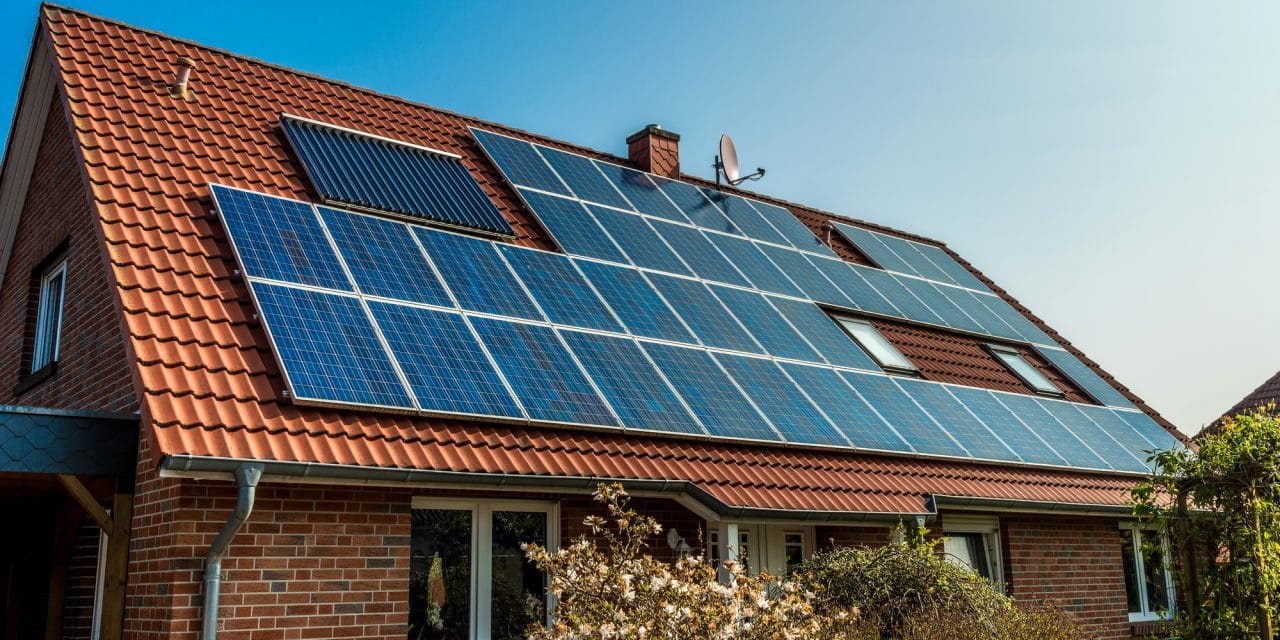
When you're intending a roofing system setup, it's very easy to ignore essential information that can bring about significant issues down the line. You could be lured to reduce edges on product option or avoid appropriate blinking installment, yet these usual mistakes can cause costly repairs later. Recognizing the relevance of air flow and sticking to regional building regulations is vital for an effective task. So, what are the vital steps you should take to ensure your roof covering stands the test of time? Let's discover some efficient techniques to stay clear of these mistakes.
Poor Product Option
When it involves roof covering setup, picking the incorrect products can cause expensive problems down the line. You could believe that any kind of roof covering product will certainly do, but that's an usual misunderstanding. It's essential to select products that suit your local climate and the certain demands of your home.
For instance, if you reside in an area with hefty rainfall or snow, choosing asphalt tiles may not be the most effective choice. Rather, think about more long lasting choices like metal or slate.
Additionally, take notice of the quality of the materials you're thinking about. Economical products may save you money upfront, but they frequently lack long life and can cause regular repairs or substitutes.
You must also think about the style of your home and make sure the products you choose will certainly maintain its aesthetic appeal.
Finally, don't forget to seek advice from professionals. They can supply valuable understandings and recommend materials that comply with regional building codes.
Spending time in proper product option now can aid you prevent frustrations and expenses in the future, making your roof project a success.
Inadequate Flashing Installment
Picking the best materials isn't the only factor that can bring about roof covering troubles; inadequate flashing installation can also produce significant concerns. Flashing is vital for directing water far from at risk locations, such as chimneys, skylights, and roof valleys. If it's not mounted effectively, you run the risk of water intrusion, which can result in mold and mildew development and structural damage.
When you install blinking, ensure it's the best kind for your roofing's style and the regional climate. As an example, steel flashing is often much more sturdy than plastic in areas with heavy rain or snow. Make sure the blinking overlaps suitably and is secured tightly to stop spaces where water can leak with.
You must also focus on the installation angle. Blinking must be placed to guide water far from your home, not toward it.
If you're unclear about the installment procedure or the products required, speak with a specialist. They can assist identify the very best flashing alternatives and make sure every little thing is installed appropriately, protecting your home from possible water damage.
Taking these steps can save you time, money, and migraines in the future.
Neglecting Ventilation Requirements
While several property owners concentrate on the aesthetic and structural aspects of roof covering setup, disregarding ventilation needs can cause serious long-lasting repercussions. Appropriate ventilation is crucial for managing temperature and moisture levels in your attic room, stopping concerns like mold and mildew development, timber rot, and ice dams. If visit the up coming webpage don't mount sufficient air flow, you're establishing your roofing system up for failure.
To avoid this mistake, first, examine your home's certain ventilation demands. A well balanced system typically includes both intake and exhaust vents to advertise air flow. Ensure you have actually mounted soffit vents along the eaves and ridge vents at the top of your roof covering. This combination allows warm air to escape while cooler air enters, maintaining your attic room area comfortable.
Additionally, take into consideration the type of roof material you've picked. Some products might call for additional air flow techniques. Double-check your local building ordinance for air flow standards, as they can differ considerably.
Finally, do not forget to examine your ventilation system consistently. Clogs from particles or insulation can restrain air movement, so maintain those vents clear.
Verdict
Finally, avoiding common roofing system installation errors is essential to ensuring your roof's long life and performance. By choosing the best materials for your climate, mounting flashing appropriately, and addressing ventilation demands, you can protect against pricey issues in the future. Don't fail to remember to acquaint on your own with neighborhood building ordinance and timetable regular inspections. With these steps, you'll enjoy a risk-free, durable roofing system that protects your home for many years ahead. Delighted roof!
